
When Heartbreak Becomes a Heart Condition
Feb 6, 2026

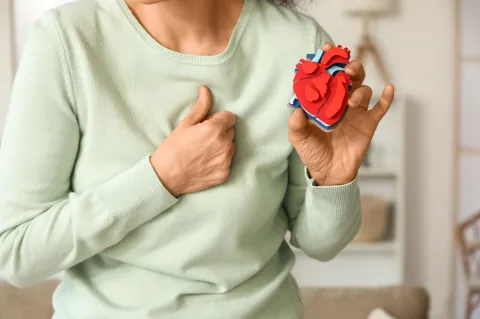
We often use the phrase “broken heart” to describe the emotional pain associated with the loss of a relationship or loved one. In rare cases, however, intense stress or grief can affect the heart in a real physical way. Broken heart syndrome—also known as Takotsubo cardiomyopathy—is a heart condition that can occur after sudden emotional or physical stress. It can cause chest pain, shortness of breath and other symptoms that feel very similar to a heart attack. Understanding what broken heart syndrome is, how it happens and when to seek help can pave the way for recovery.
While broken heart syndrome’s symptoms often mimic those of a heart attack, the underlying cause differs. Unlike a heart attack, broken heart syndrome doesn’t result from blocked arteries. Instead, a large number of the heart’s muscle cells are injured by an excessive surge of the stress hormone epinephrine.
Commonly called adrenaline, the hormone epinephrine is a chemical messenger that travels through the bloodstream to tell different parts of the body what to do. When your brain perceives a dangerous or stressful situation, it triggers epinephrine to tell the body to act fast. The heart beats faster and more forcefully, breathing picks up and muscles get ready to move. This is helpful in small doses, but when the body releases too much epinephrine at once, it can seriously injure the heart.
While researchers cannot pinpoint a single cause, they believe broken heart syndrome is triggered by sudden emotional stress—such as the death of a loved one, a divorce, a car accident or job loss—or by intense physical stress, including severe pain or significant blood loss. Symptoms typically appear minutes to hours following the stressful event.
Broken heart syndrome is not uncommon. First identified in Japan in 1990, Takotsubo cardiomyopathy has quickly become recognized worldwide. About 2% of people who seek medical care for symptoms of a suspected heart attack are diagnosed with broken heart syndrome, though researchers believe the condition is likely under-recognized. The good news is people who have had this condition aren’t likely to experience it again—even during future times of stress.
For reasons we do not yet understand, women are far more susceptible to this condition than men. More than 80% of patients with broken heart syndrome are women, most of whom are middle-aged and older and past menopause. Researchers are still learning why this happens and have not proven hormone changes to be a cause.
Dr. Scott Sharkey, Chief Medical Officer at Minneapolis Heart Institute Foundation and Cardiologist at Allina Health Minneapolis Heart Institute, has studied broken heart syndrome for more than 30 years. “If something doesn’t feel right, don’t ignore it,” he advises. “A serious physical condition may be ailing an individual on top of the emotional grief they’re experiencing.”
Broken heart syndrome starts suddenly and without warning. Dr. Sharkey’s research at MHIF has revealed several symptoms that can serve as warnings in the context of an intense emotional event or illness:
Early recognition and medical attention are crucial, as cases of broken heart syndrome can be life-threatening. Medications are a very effective treatment. In extreme cases, the heart may need temporary help pumping blood, and doctors can turn to medical devices to support the heart while it recovers. Researchers have learned that the heart muscle injury in broken heart syndrome, while serious, is temporary—a type of heart muscle stunning. Studies show that this condition does not cause long-term heart damage. Most people feel better within days and recover fully with medical care.
Broken heart syndrome is a reminder that emotional and physical stress affect the heart. Although its symptoms can be alarming, the condition is typically temporary and treatable, especially when recognized early. Paying attention to warning signs and seeking prompt medical care are key to protecting long-term heart health.
February is Heart Month, a time dedicated to raising awareness about heart health and the importance of cardiovascular research, prevention and care. At the Minneapolis Heart Institute Foundation, we celebrate this month by shining a light on the many ways the heart responds to both physical and emotional stress. Through education and research into conditions like broken heart syndrome, MHIF works to advance understanding of how emotional well-being and heart health are connected. February serves as a reminder to care for your heart in every sense—physically, mentally and emotionally.

The Minneapolis Heart Institute Foundation® (MHIF) strives to create a world without heart and vascular disease. To achieve this bold vision, we are dedicated to improving the cardiovascular health of individuals and communities through innovative research and education.
Thanks to the generosity of donors like you, we can continue this life-saving work. Please make a gift to support lasting change in the lives of individuals we serve and future generations to come.