
Trust Your Gut for a Healthy Heart
Mar 4, 2026
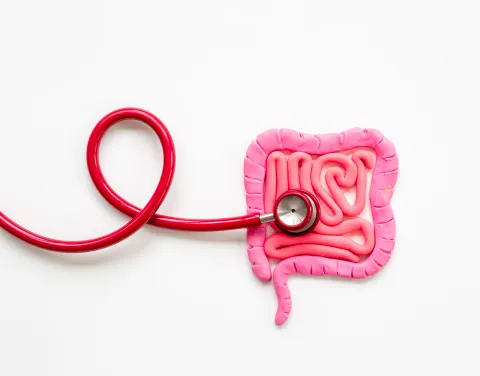
If you live with atrial fibrillation (AFib), you may also be managing high blood pressure or even anxiety. Overlap among these conditions isn’t unusual, and that may not be coincidental. Researchers are beginning to uncover a surprising connection between the heart, the brain, and something some don’t think about: the bacteria living in our gut. This gut microbiome may play a role in inflammation, heart rhythm stability, and even mood. While the science is still evolving, it’s opening up a new way of understanding how these conditions may be linked — especially as we age.
The gut microbiome is the collection of microscopic things living in our digestive system– things like bacteria, viruses, and other small cells. These tiny helpers play an important role in your body. They help break food down into nutrients you can use. They also help your immune system stay strong and keep harmful germs from growing. When the gut microbiome is balanced, it helps keep the whole body healthy.
A healthy gut microbiome is made up of many different kinds of helpful bacteria. When that balance is disturbed, it’s called dysbiosis. Dysbiosis can be caused by many factors, including poor diet, chronic stress, infections, certain medications (like antibiotics) and aging. When the gut becomes unbalanced, harmful bacteria outnumber the healthy bacteria, which can lead to digestive problems, low energy, and increased inflammation throughout the body. Over time, this chronic inflammation is associated with a higher risk for heart disease.
New research shows strong links between an unhealthy gut and heart conditions, including: high blood pressure, coronary artery disease, atherosclerosis (plaque buildup in arteries) and AFib. Researchers are now studying how substances produced by gut bacteria may affect heart conditions and whether improving gut health could reduce the risk of heart problems.
But the gut’s influence doesn’t stop with the heart. The digestive system is also deeply connected to the brain, constantly sending messages back and forth through nerves, hormones and the immune system. When the gut becomes inflamed, that inflammation can affect the brain—mood and mental health may be impacted. Because heart disease is associated with higher rates of anxiety and depression, inflammation may be an important link between the gut, the heart and the brain.
Just as our risk for cardiovascular disease accumulates with age, growing older impacts our gut microbiome. Aging is associated with reduced gut diversity and increased inflammation, and that may explain the higher risks for anxiety, AFib and other heart disease.

The good news is there are steps you can take to support a healthy gut biome. What you eat has a powerful impact on gut bacteria. Experts advise following a Mediterranean diet rich in fruits, vegetables, whole grains, beans, nuts, lean proteins and healthy fats. Fiber-rich foods are especially helpful, as they feed healthy bacteria that can help reduce inflammation. Equally important is avoiding saturated and trans fats, processed foods and added sugars, all of which can disrupt a balanced gut biome.
Probiotics (live “good” bacteria found in certain foods and supplements) can also support gut health. Fermented foods like yogurt, sauerkraut, kimchi and kombucha are common sources of probiotics. Studies suggest probiotics may lower blood pressure and reduce inflammation, but further research is needed to understand which strains and amounts work best.
Exercise is another powerful tool. Both moderate and intense workouts are shown to benefit gut health, but how often you exercise matters. More frequent workouts generally produce the most benefit; however, even two to three sessions weekly can provide positive effects. As an added bonus, staying active can help reduce stress and keep the heart healthy too.
While heart conditions like AFib often occur along with depression and anxiety, physicians have typically treated them separately. Emerging research now suggests they might be different expressions of inflammation that tie back to the gut biome. Although some studies show associations between gut health and cardiovascular disease, we are still in the early stages of understanding how changes in the microbiome might directly affect heart health. . Research continues to explore this and whether microbiome-based interventions can successfully treat heart conditions.
In the meantime, the Minneapolis Heart Institute Foundation has long recommended the same lifestyle choices that support gut health to maintain a healthy heart. Eating a balanced diet and staying active are practical steps you can take now. While research continues to explore whether the gut could be a key target for preventing heart disease, making smart choices can help support your gut, protect your heart and promote overall health.

The Minneapolis Heart Institute Foundation® (MHIF) strives to create a world without heart and vascular disease. To achieve this bold vision, we are dedicated to improving the cardiovascular health of individuals and communities through innovative research and education.
Thanks to the generosity of donors like you, we can continue this life-saving work. Please make a gift to support lasting change in the lives of individuals we serve and future generations to come.