
How to Prevent and Treat High Blood Pressure
Mar 18, 2026
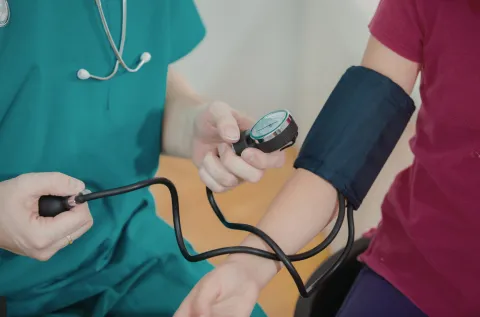
High blood pressure has been getting a lot of attention lately—and for good reason. It’s strongly linked to heart and brain health and affects 1 in 2 adults in the United States, nearly 30% of whom don’t even know they have it.
With the new blood pressure guidelines from the American Heart Association and the American College of Cardiology, it’s a great time to review what high blood pressure is and steps you can take to protect your heart health.
High blood pressure, or hypertension, occurs when the force of blood against artery walls stays too high over time. This damages blood vessels, makes the heart work harder, and increases the risk of heart attack, stroke, kidney disease, vision loss, and dementia.
A blood pressure reading is measured with two numbers:
Ideally, adult blood pressure should be less than: 120 (systolic) over 80 (diastolic) mmHg.
According to the updated guidelines, hypertension is defined as a blood pressure of greater than 130 over 80 mmHg.
If you have hypertension, your clinician will consider your personal risk factors and overall health to help decide the best next steps. Some people may start with lifestyle changes for up to 6 months to see if they reduce blood pressure. Others may start on medications right away.
Ask your clinician to help you determine your risk based on the PREVENT risk score, which factors in your age, smoking status, cholesterol, and kidney function.
Healthy lifestyle behaviors can reduce systolic blood pressure (the top number) by several points and benefit overall health in people both with and without medication.
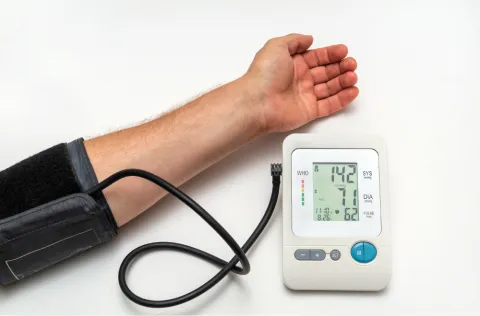
Did you know? A recent study found that for every 5-point drop in systolic blood pressure, the risk of cardiovascular events dropped by 10%. Even small changes can lead to big impacts in managing your blood pressure and your overall health.
Home monitors are useful for everyone, especially if your blood pressure runs high. Your provider may ask you to check it twice a day for one week to identify patterns and inform the best treatment plan. Learn more about measuring blood pressure here.
Quick tips:
High blood pressure is often called the “silent killer” because it typically has no noticeable symptoms—but it can still cause serious damage over time. That’s why regular monitoring and proactive care are so important, especially as your risk increases with age.
If you’re looking for a simple, expert-guided overview, this short video featuring Dr. Joe Jensen walks through the key concepts—from understanding your numbers to practical ways to prevent and manage high blood pressure. It’s a great companion to the information above and can help you take the next step with confidence.
For additional tools, support, and resources on reducing your risk of heart disease, visit the Nolan Family Center for Cardiovascular Health page.

The Minneapolis Heart Institute Foundation® (MHIF) strives to create a world without heart and vascular disease. To achieve this bold vision, we are dedicated to improving the cardiovascular health of individuals and communities through innovative research and education.
Thanks to the generosity of donors like you, we can continue this life-saving work. Please make a gift to support lasting change in the lives of individuals we serve and future generations to come.